OFF-THE-GRID
WHAT IS OFF-THE-GRID ARCHITECTURE?
In principle, off-the-grid architecture involves creating a built environment that is not connected to the established infrastructure of reticulated services. This could be for many reasons, but it often conjures up an image of a building in a remote location, which can also be an extreme environment. We consider a combination of factors to make these types of buildings a success, such as:
Local environmental and climatic conditions
Access and accessibility
Energy supply, management, and retention
Water supply and management systems
Waste disposal and drainage management
Durability and robustness.
Each project is unique and requires its own set of solutions. However, we have established a body of knowledge and expertise that will help you meet the needs of both the building users and building owners, providing good long-term outcomes for both.
With building and energy technologies changing rapidly, it is a matter of selecting what is most appropriate for your specific project. We work from first principles to establish the fundamentals required to make your project succeed, then develop a fit-for-purpose solution that meets the occupants' and building owners' needs today and into the future.
WHAT IT MEANS FOR YOU?
Each project is unique and requires its own set of solutions. We work from first principles to establish the fundamentals. Then utilising our body of knowledge and experience ensures that we develop your project to be fit for purpose.
This is especially true where building and energy technologies are changing rapidly and it is a matter of selecting what is most appropriate for you. Bringing all these aspects together means that we create a built environment that meets the needs of both building owners and users, as well as being robust and sustainable for the long term.
ANTARCTICA NEW ZEALAND
Working to maintain and enhance the existing Scott Base over a number of years for Antarctica New Zealand provides an entirely new set of design challenges and considerations. Our experiences in addressing thermal issues, modular systems, logistics, and buildability will all help to inform our design solutions for your project.

DEPARTMENT OF CONSERVATION: BACK COUNTRY HUTS
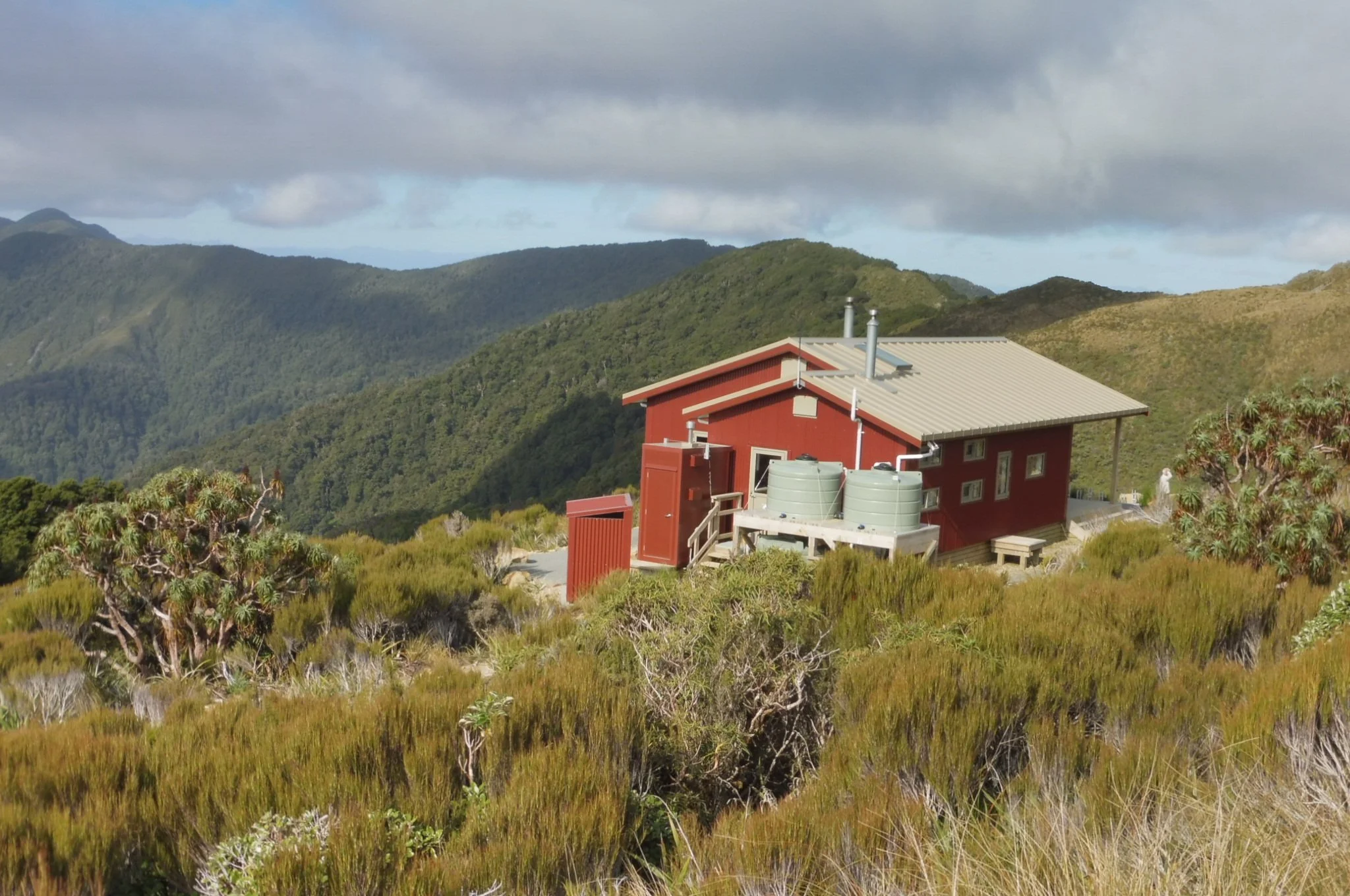
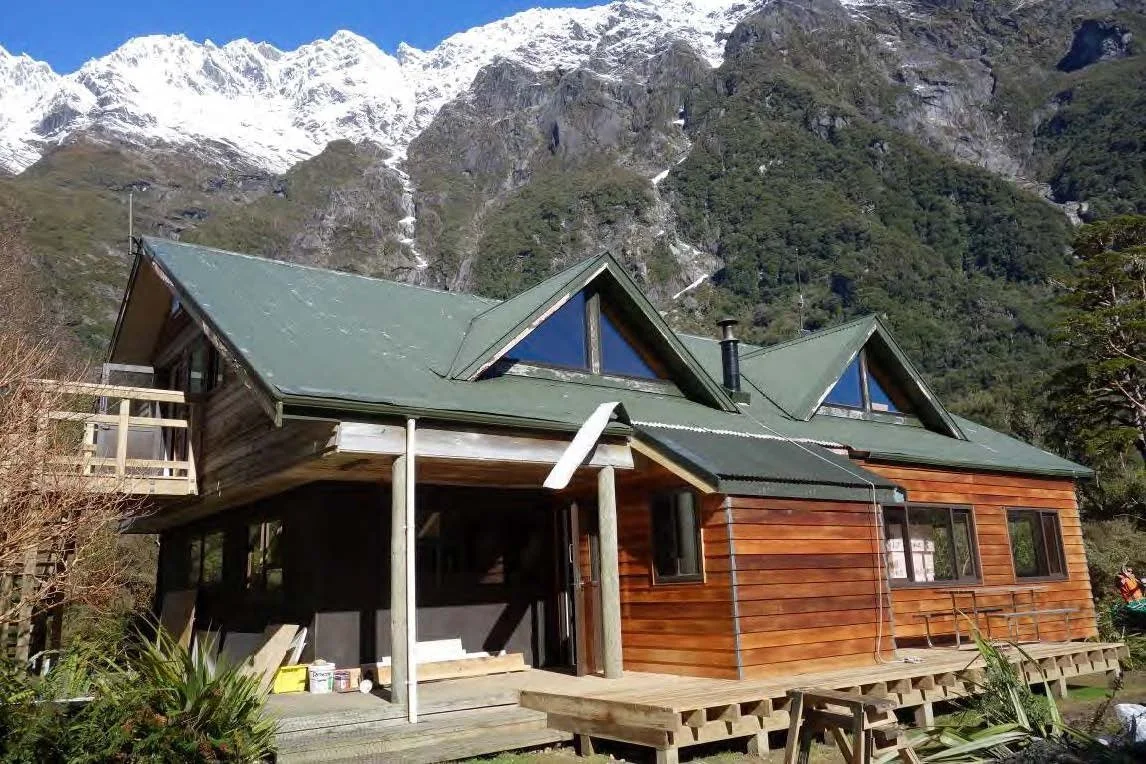
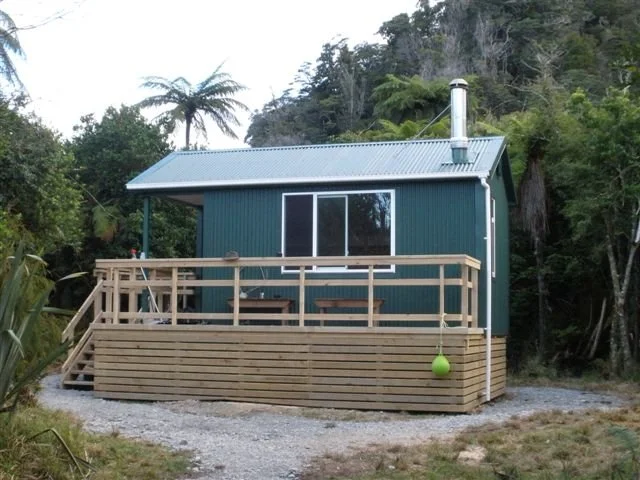
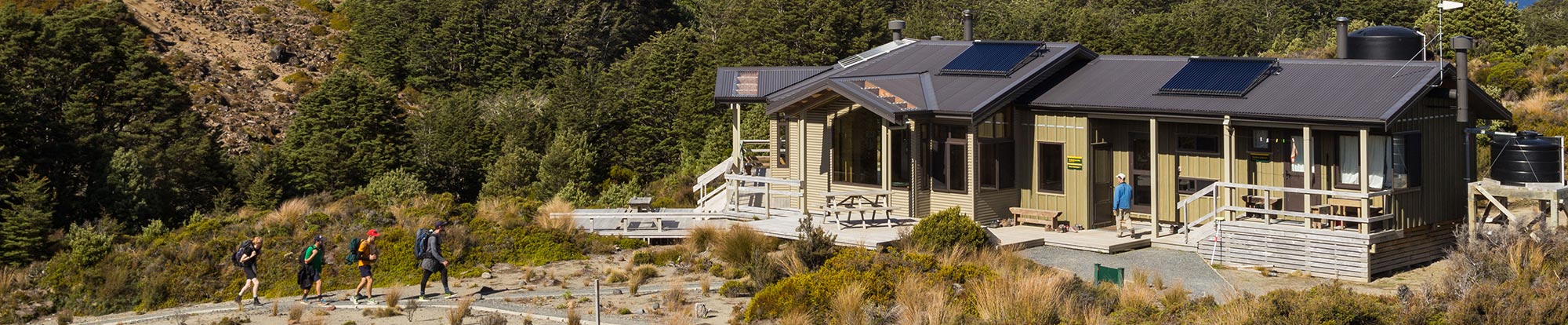
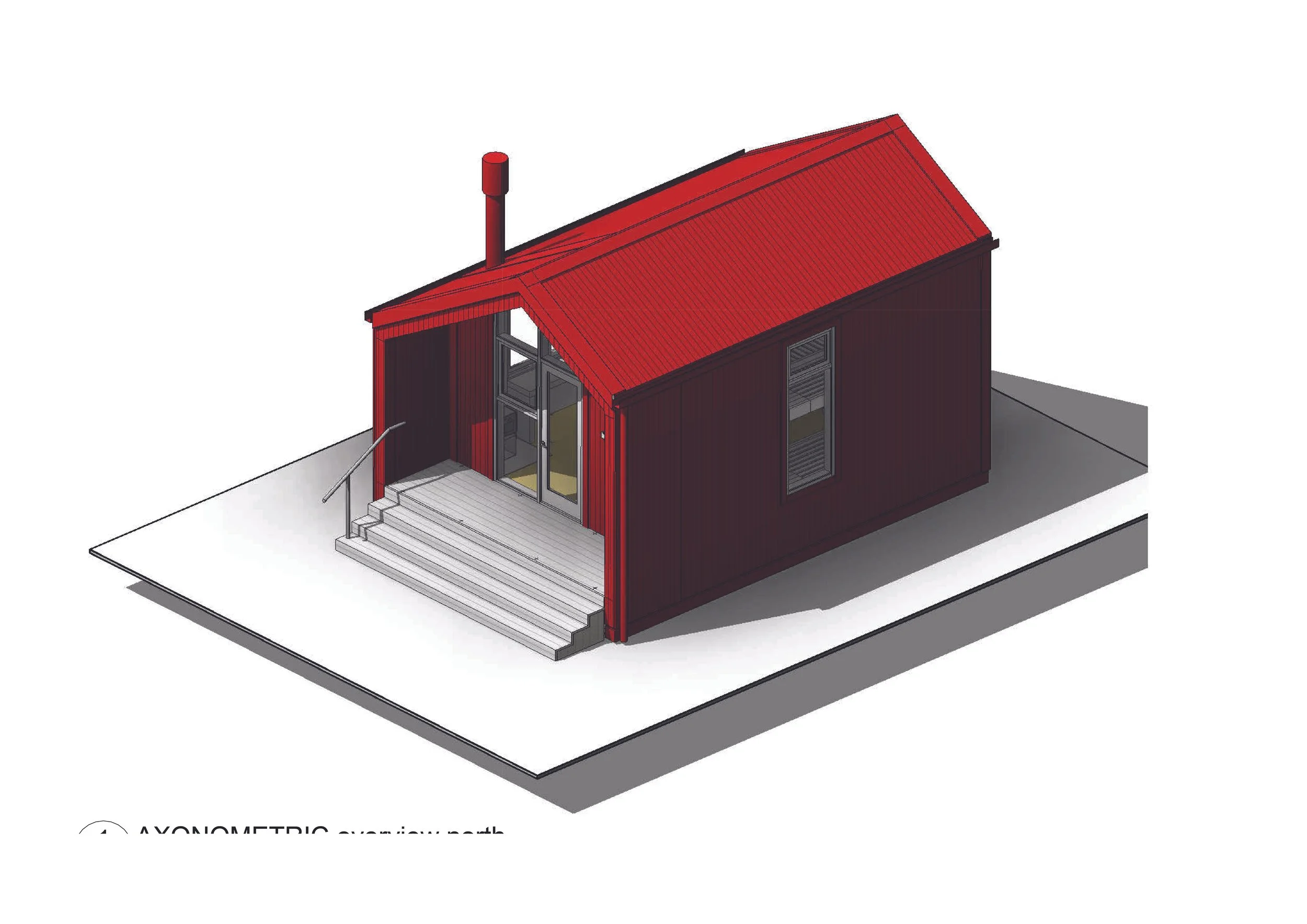
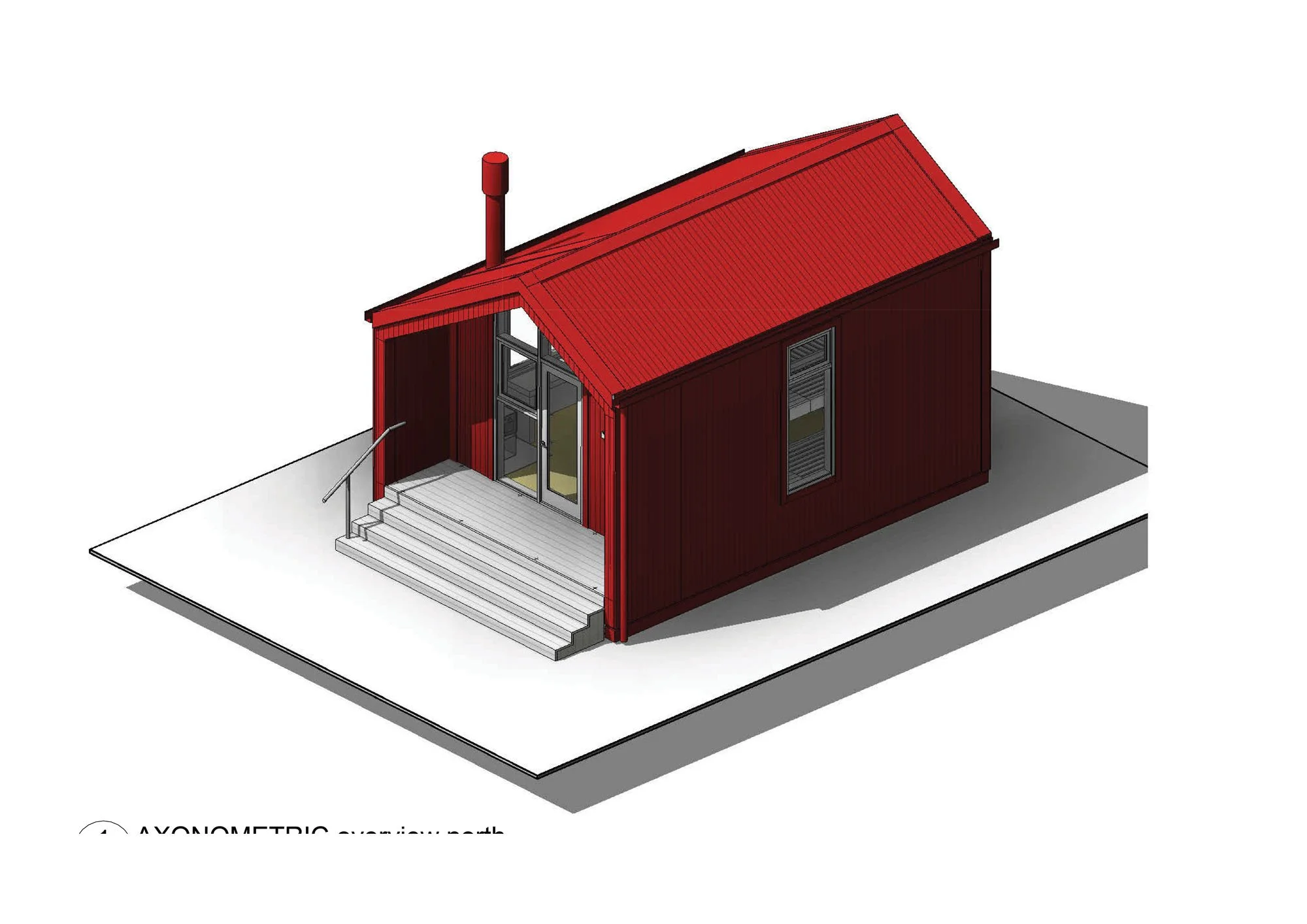
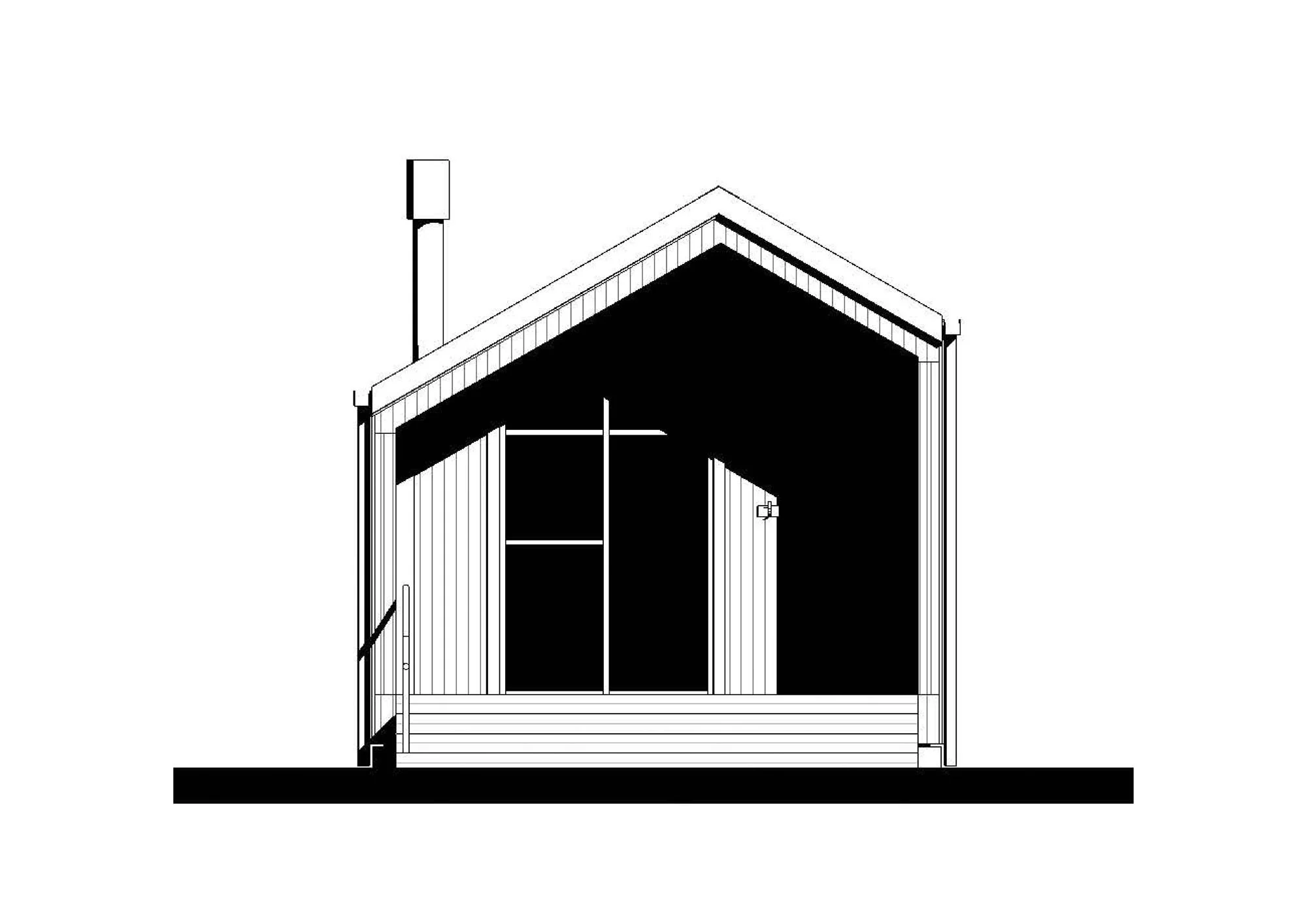
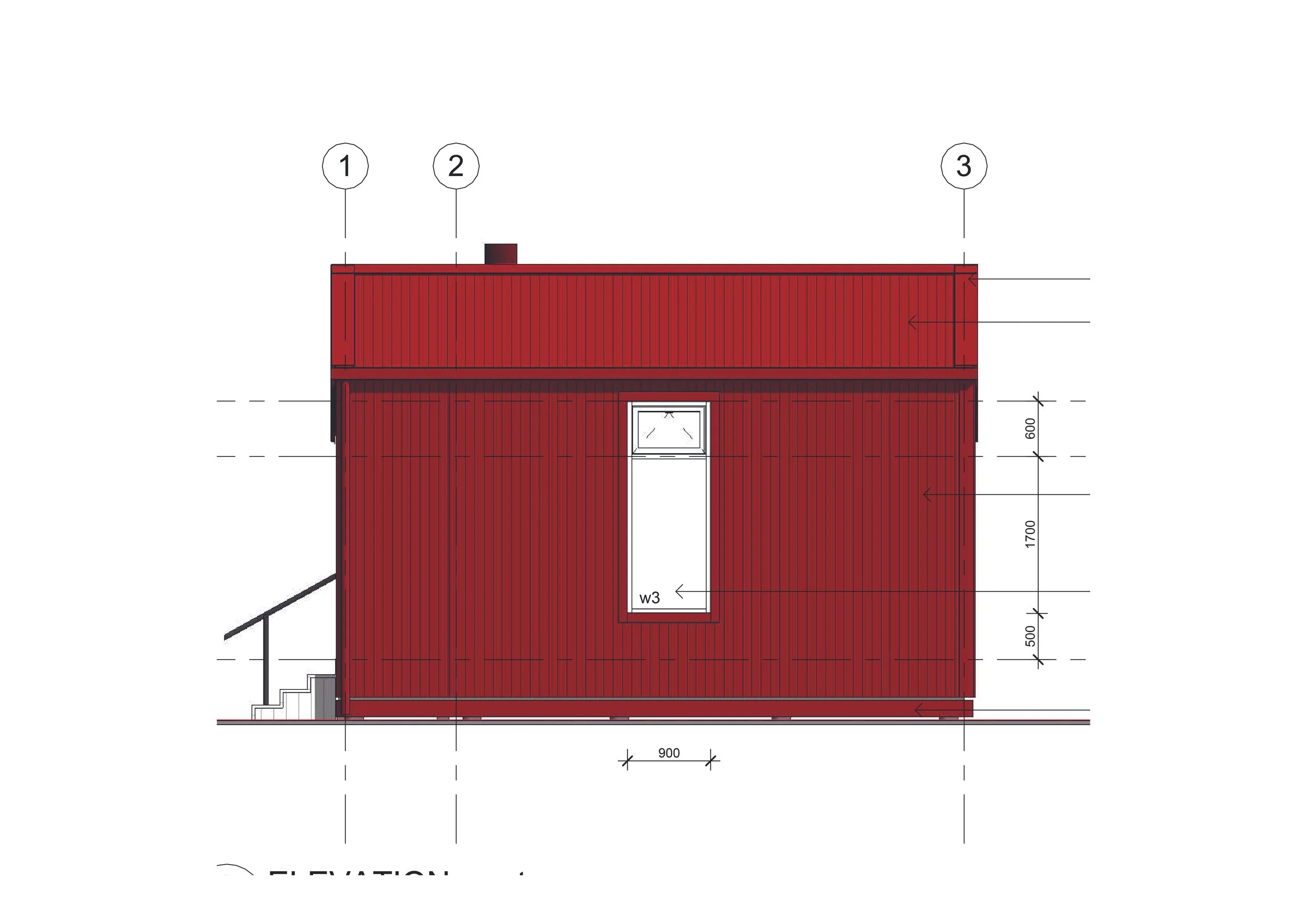
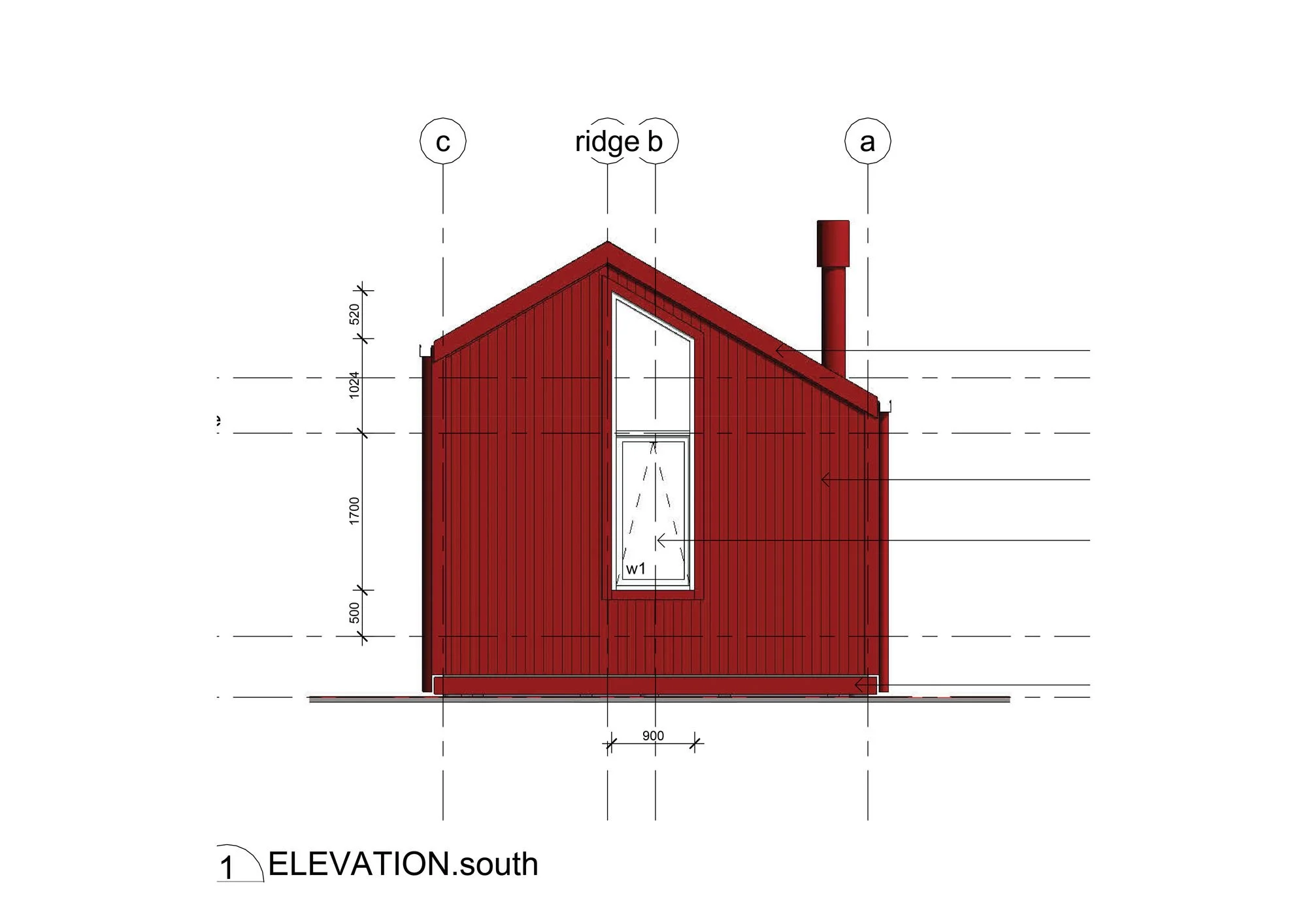
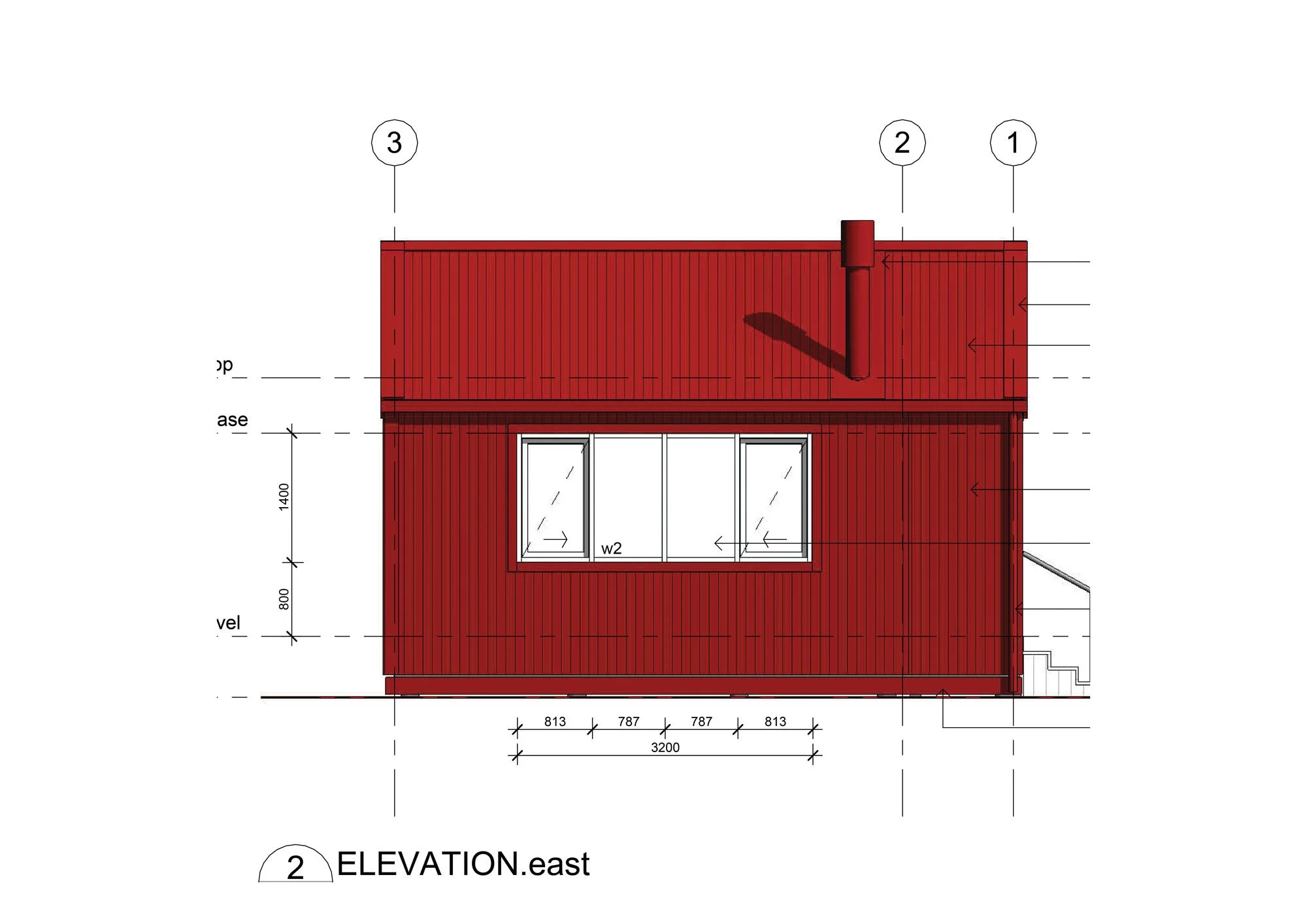
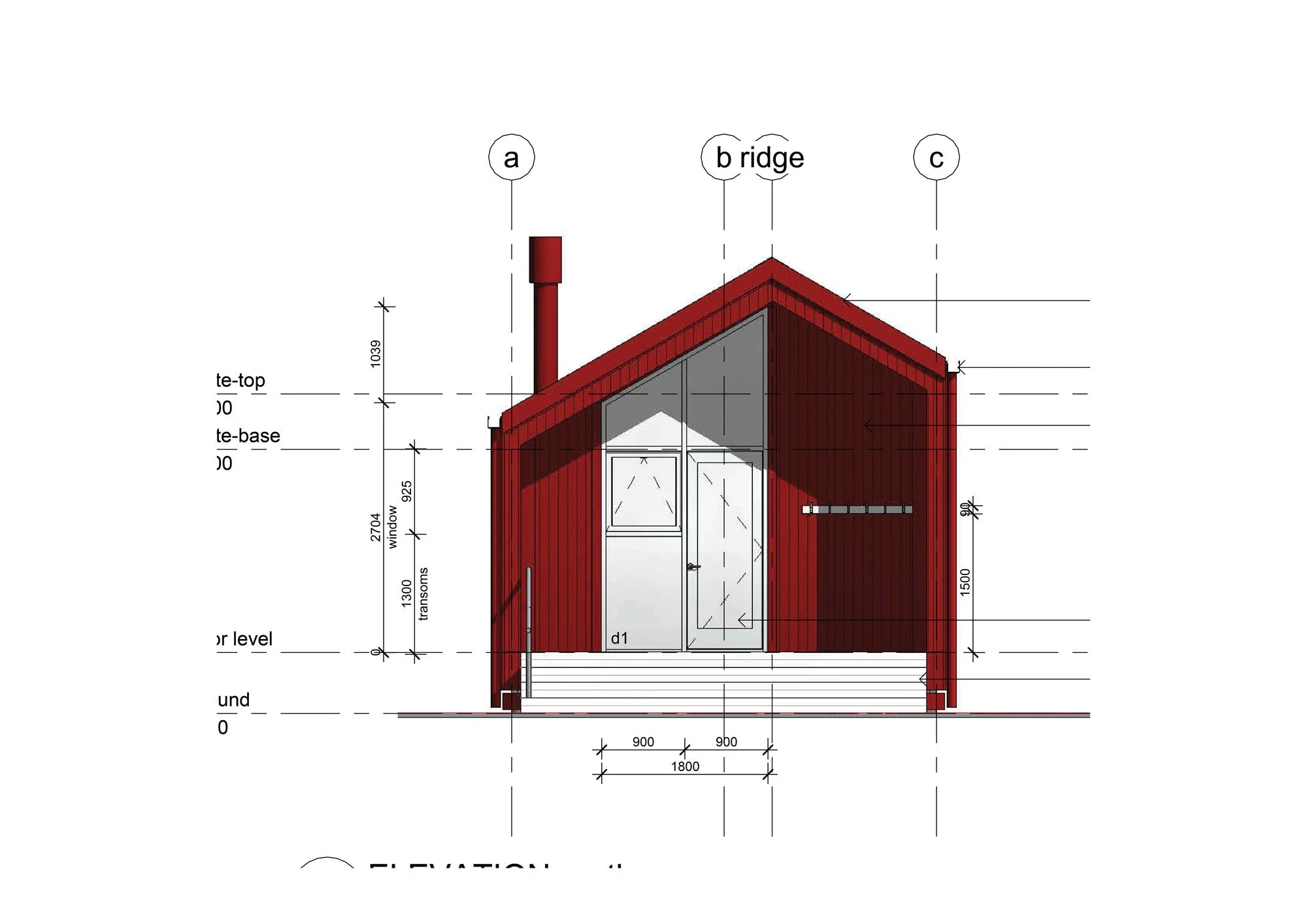
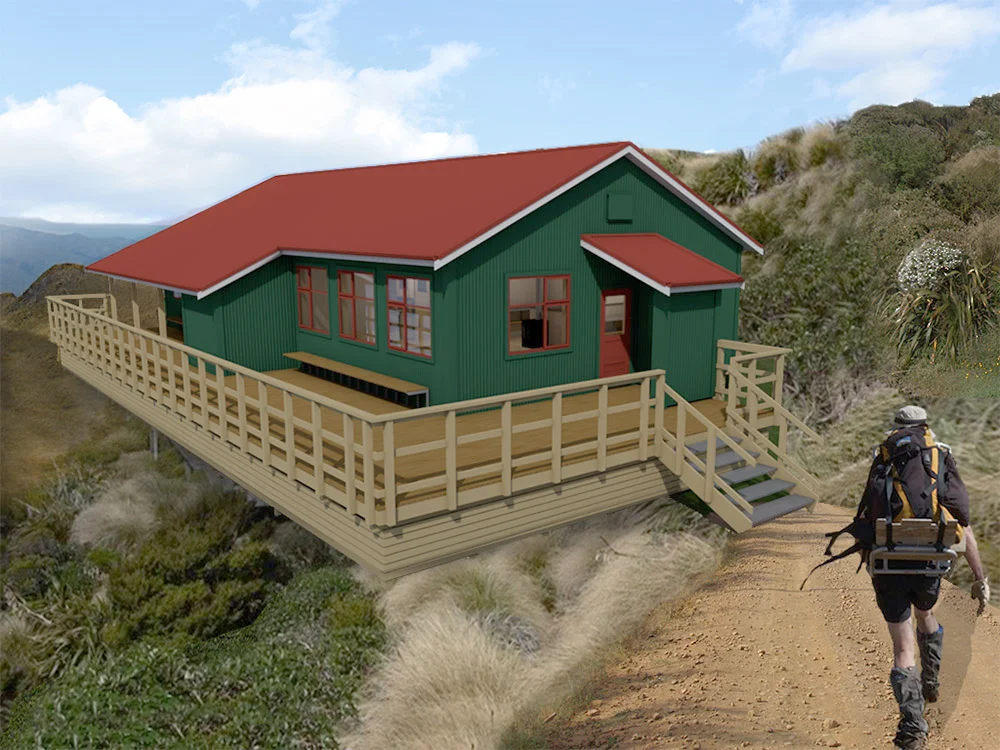
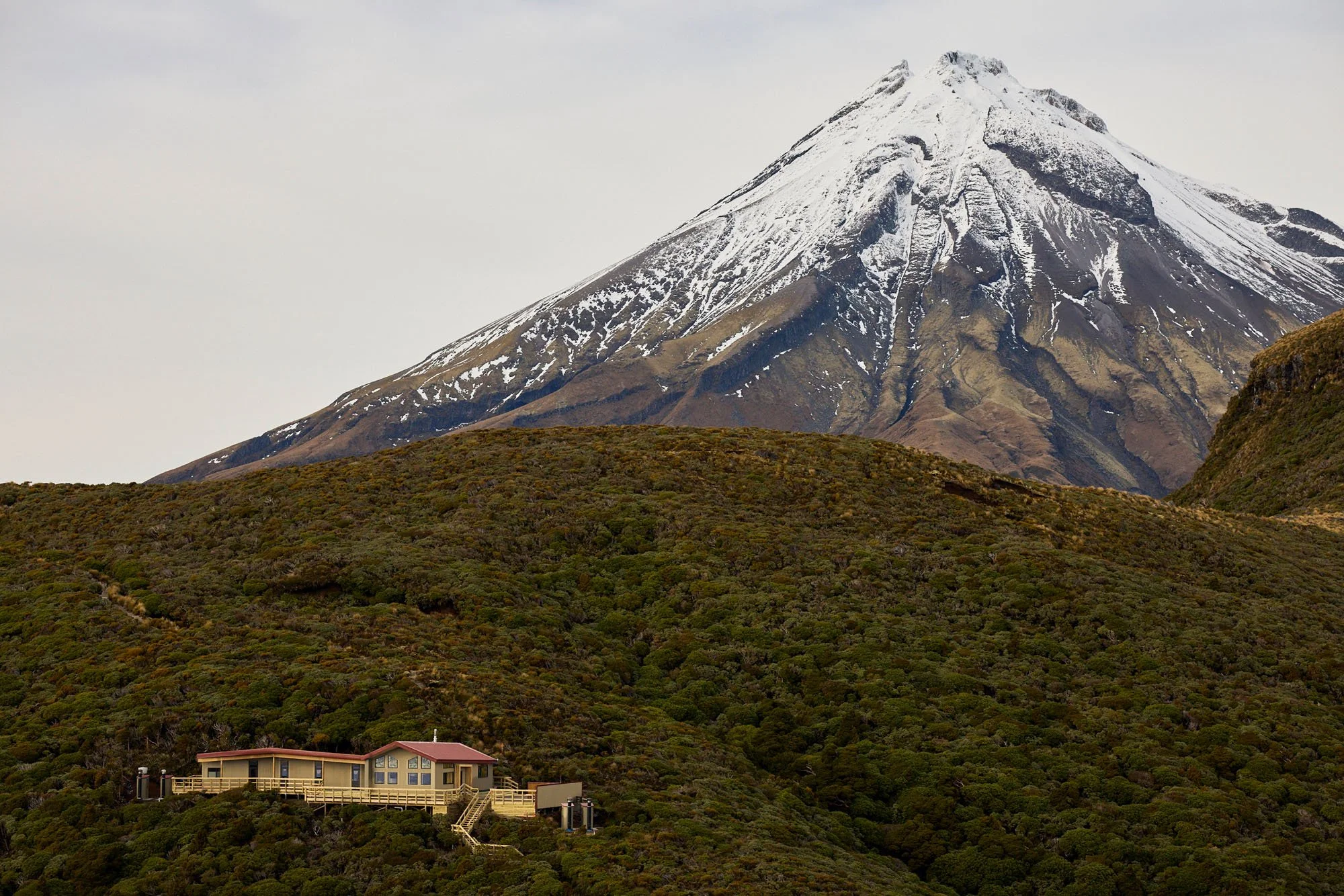
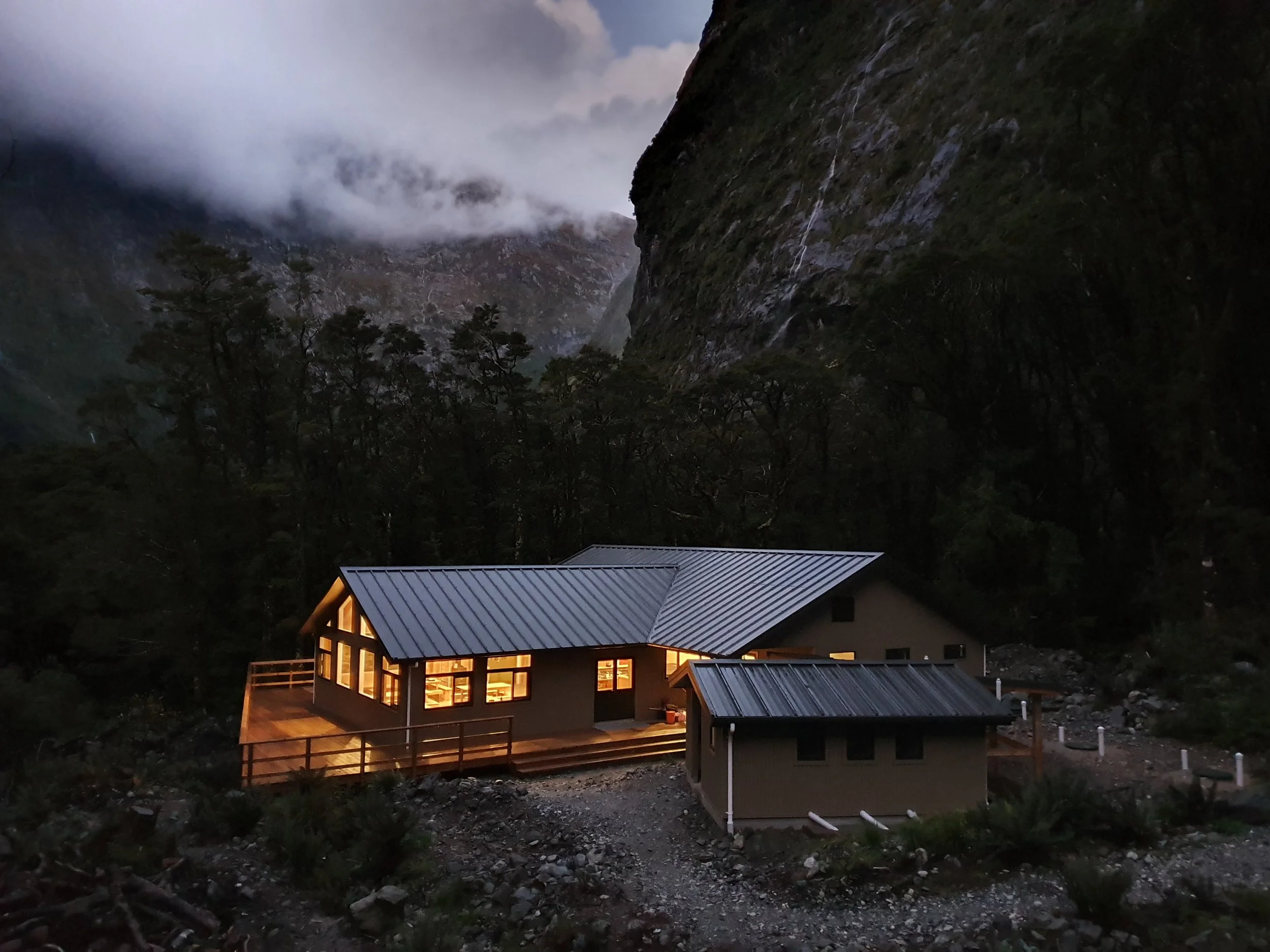
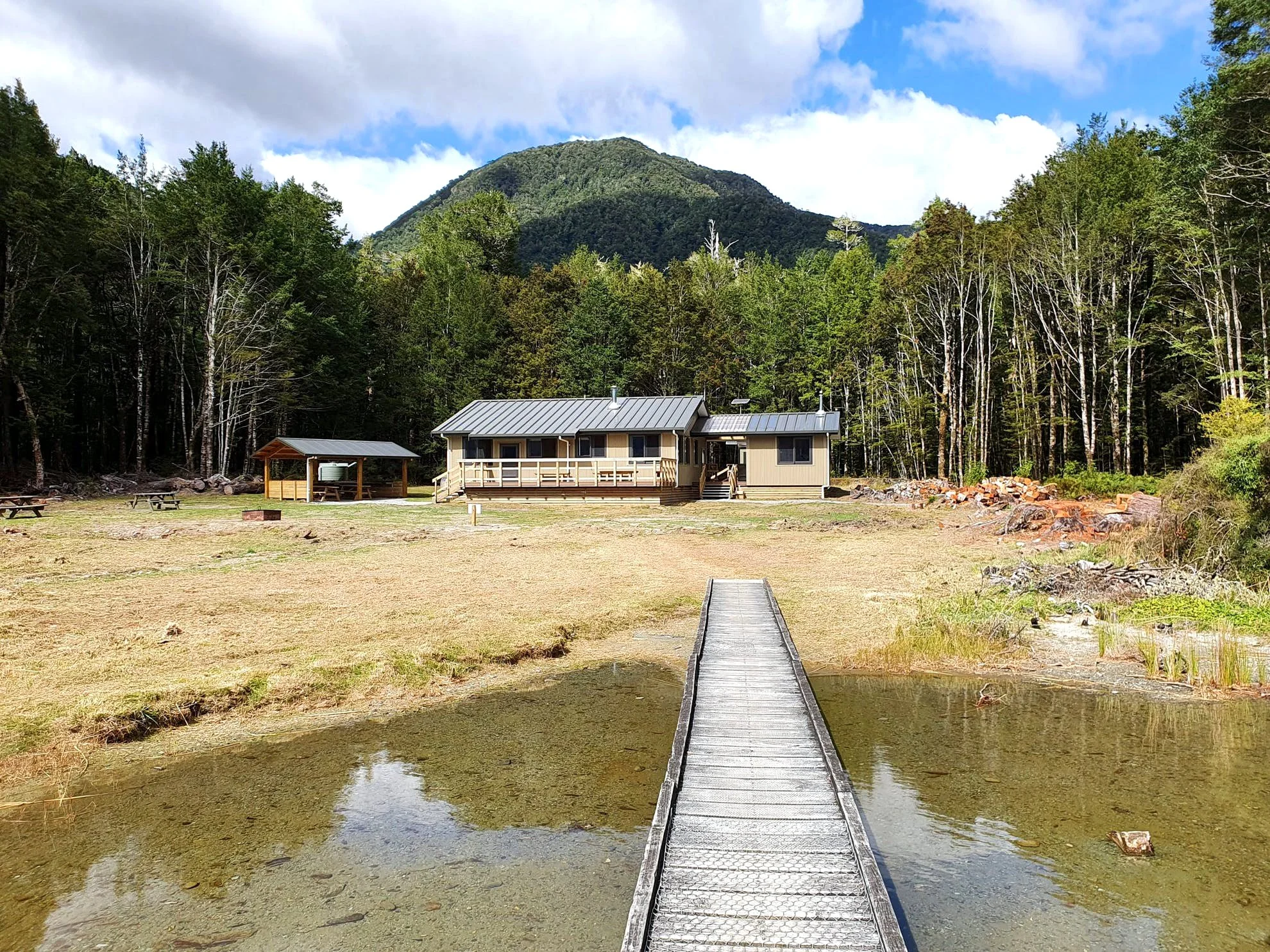
Having designed and completed over 90 significant huts for the Department of Conservation during the last 20 years, we have experience in the successful creation of fully off-the-grid buildings – from coastal to alpine areas, and from small buildings to major complexes on New Zealand’s Great Walks.
This equips us with a unique body of knowledge in dealing with the extremes of the New Zealand climate and topography. We can readily apply this expertise to all manner of buildings, whether remote or on the urban fringe.
Technologies for energy generation and storage, waste disposal, and limiting environmental impacts have been tried and tested by our team, and as such are integral to our design process when working with you.

-
James Mackay Hut (2014)
Anchorage Hut (2013)
Heaphy Hut (2012)
Perry Saddle Hut (2012)
Angelus Hut (2010)
Red Hills Hut (2009)
Venus Hut (2009)
Crow Hut (2008)
Granity Pass Hut (2008)
Speargrass Hut (2006)
Upper Travers Hut (2004)
Morgan Hut (2003)
Trevor Carter Hut (2003)
Sylvester Hut (2002)
Sabine Hut (2002)
Karamea Bend Hut (2002)
-
Kōhanga Atawhai, Manson Nicholls Hut (2020)
Pororari Hut (2018)
Moonlight Tops Hut (2018)
Creswicke Flat Hut (2016)
James McKay Hut (2014)
Welcome Flat Hut (2013) *
Lower Arahura Hut (2010)
Stafford Hut (2009)
Tutaekuri Hut (2006)
Grassy Flat Hut (2005)
Frew Hut (2003)
Dillon Hut (2002)
Buckland Peak Hut (2002)
Little Wanganui Hut (2000)
-
Description text goes here
-
Item description


West Coast
Kōhanga Atawhai, Manson Nicholls Hut (2020)
Pororari Hut (2018)
Moonlight Tops Hut (2018)
Creswicke Flat Hut (2016)
James McKay Hut (2014)
Welcome Flat Hut (2013) *
Lower Arahura Hut (2010)
Stafford Hut (2009)
Tutaekuri Hut (2006)
Grassy Flat Hut (2005)
Frew Hut (2003)
Dillon Hut (2002)
Buckland Peak Hut (2002)
Little Wanganui Hut (2000)
Marlborough
Palmer Hut (2007)
Severn Hut (2006)
Canterbury
Casey Hut (2020)
Waiau Hut (2018)
Anne Hut (2011)
Magdalen Hut (2008)
Hawdon Hut (2007)
Palmer Hut (2007)
Warden Hut (2007)
Woolshed Creek Hut (2006)
Poulter Hut (2003)
Nina Hut (2002)
Crow Hut (2002)
Otago
Mid Caples Hut (2014)
Siberia Hut (2011)
McKellar Hut (2011) *
Pakituhi Hut (2011)
Liverpool Hut (2009)
Jubilee Hut (2007)
Young Hut (2006)
Greenstone Hut (2003)
Dart Hut (2003) *
Southland / Fiordland
Harris Saddle Shelter (2024) *
Mintaro Hut (2021)
Lake Mackenzie Hut (2017) *
Rodgers Inlet Hut (2009)
Deas Cove Hut (2007)
Green Lake Hut (2006)
Lake Alabaster Hut (2005)
Hokuri Hut (2005)
Hidden Falls Hut (2004)
Long Harry Hut (2002)
Auckland / Northland
Mt Heale Hut (2010)
Motukawanui Hut (2003)
Waikato / Bay of Plenty
Pāhautea Hut (2015)
Waihohonu Hut (2010)
Hauhungaroa Hut (2005)
Waitawheta Hut (2004)
Hawke’s Bay
Waiopaoa Hut (2005)
Taranaki
Pouākai Hut (2025)
Manawatu / Wanganui
Iron Gate Hut (2019)
Maropea Hut (2014)
Ngapurua Hut (2010)
Parks Peak (2008)
Zekes Hut (2007)
Purity Hut (2006)
Tahupo Hut (2002)
Puteore Hut (2002)
Wellington / Wairarapa
Powell Hut (2019)
Kime Hut (2014)
Tūrere Lodge (2011)
Papatahi Hut (2010)
Haurangi Hut (2010)
Atiwhakatu Hut (2009)
South Ohau (2008)
Maungahuka Hut (2006)
Roaring Stag Hut (2005)
Elder Hut (2006)
Totara Flats Hut (2003)
Waitewaewae Hut (1991)
Nelson / Tasman
James Mackay Hut (2014)
Anchorage Hut (2013)
Heaphy Hut (2012)
Perry Saddle Hut (2012)
Angelus Hut (2010)
Red Hills Hut (2009)
Venus Hut (2009)
Crow Hut (2008)
Granity Pass Hut (2008)
Speargrass Hut (2006)
Upper Travers Hut (2004)
Morgan Hut (2003)
Trevor Carter Hut (2003)
Sylvester Hut (2002)
Sabine Hut (2002)
Karamea Bend Hut (2002)
* Re-bulids, alterations, additions, re-clads etc